
Hormonal changes affect nearly every stage of a woman’s life. From painful periods and irregular cycles to PCOS symptoms and perimenopause, hormonal imbalances can impact energy, mood, sleep, fertility, metabolism, and overall quality of life.
While conventional medicine often focuses on symptom management through medications or hormone therapy, many women are also exploring natural and complementary approaches to support hormonal health. One option gaining increasing attention is acupuncture.
Used for centuries in Traditional Chinese Medicine (TCM), acupuncture is now commonly integrated into modern wellness and women’s health care plans. Whether someone is struggling with period pain, polycystic ovary syndrome (PCOS), or menopause-related symptoms, acupuncture may help support the body’s natural hormonal balance.
Here’s what you need to know about hormonal acupuncture and how it may support women through different stages of reproductive health.
Understanding Hormonal Imbalance
Hormones act as the body’s chemical messengers, regulating functions such as the menstrual cycle, ovulation, metabolism, mood, sleep, and temperature control. Even small hormonal shifts can affect how the body feels and functions.
Common signs of hormonal imbalance may include:
- Irregular menstrual cycles
- Painful periods
- Acne or skin changes
- Fatigue and low energy
- Mood swings or anxiety
- Difficulty sleeping
- Weight fluctuations
- Hot flashes and night sweats
- Fertility challenges
Hormonal changes can occur for many reasons, including stress, aging, medical conditions, lifestyle habits, and reproductive disorders such as PCOS.
Acupuncture does not “replace” hormones, but it may help regulate how the body responds to hormonal fluctuations by supporting the nervous system, circulation, and stress response.
What Is Hormonal Acupuncture?
Hormonal acupuncture refers to acupuncture treatments designed to support hormonal and reproductive health. In Traditional Chinese Medicine, symptoms are viewed as signs of imbalance within the body’s systems rather than isolated problems.
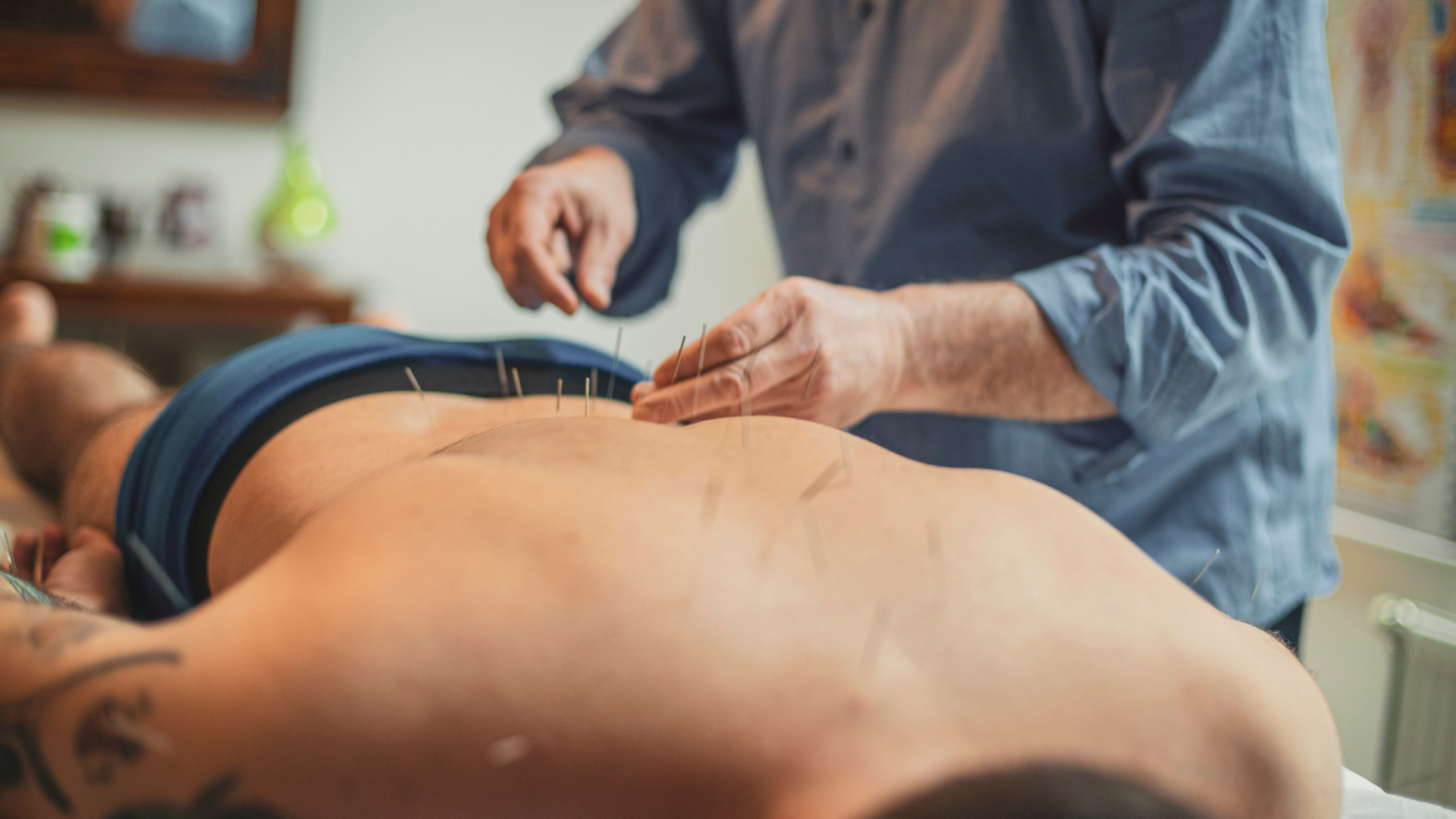
Fine, sterile needles are inserted into specific acupuncture points to help restore balance and encourage the body’s natural healing processes.
From a modern medical perspective, research suggests acupuncture may:
- Influence the nervous system
- Support blood flow to reproductive organs
- Reduce stress hormones like cortisol
- Promote relaxation
- Help regulate ovulation and menstrual cycles
Because hormones are closely linked to stress, sleep, and overall wellness, acupuncture often takes a whole-body approach rather than focusing on a single symptom.
Acupuncture for PCOS
Polycystic Ovary Syndrome (PCOS) is one of the most common hormonal disorders affecting women of reproductive age. Symptoms can vary widely and may include:
- Irregular or missed periods
- Acne
- Weight gain
- Excess facial or body hair
- Difficulty ovulating
- Fertility challenges
PCOS is often associated with insulin resistance and hormone imbalances involving androgens (male hormones).
Acupuncture for PCOS is increasingly being studied as a complementary therapy to support menstrual regularity and symptom management. Some research suggests acupuncture may help improve blood flow to the ovaries and reduce stress-related hormonal disruption.
Stress management is especially important for women with PCOS, since chronic stress can further affect hormonal balance and ovulation. Many patients report that regular acupuncture sessions help them feel calmer, sleep better, and experience fewer cycle irregularities.
Acupuncture is often most effective when combined with supportive lifestyle habits such as balanced nutrition, exercise, and medical guidance.
Can Acupuncture Help with Period Pain?
Period pain, also called dysmenorrhea, affects millions of women worldwide. For some, cramps are mild and manageable. For others, they interfere with work, school, sleep, and daily activities.
Painful periods may be linked to:
- Muscle contractions in the uterus
- Inflammation
- Endometriosis
- Hormonal fluctuations
- Stress and tension
Acupuncture for period pain focuses on improving circulation, relaxing muscles, and supporting the body’s natural pain-regulation systems.
Many women seek acupuncture for symptoms such as:
- Severe cramping
- Lower back pain during menstruation
- Headaches linked to periods
- Heavy or irregular bleeding
- Bloating and fatigue
Research suggests acupuncture may help reduce the intensity and frequency of menstrual pain in some individuals. Treatments are often tailored around the menstrual cycle to support hormone regulation throughout the month.
Patients commonly report additional benefits beyond pain relief, including improved sleep, reduced stress, and better energy levels.
Supporting Women Through Perimenopause and Menopause
Perimenopause is the transitional phase leading up to menopause, often beginning in the 40s but sometimes earlier. During this stage, hormone levels fluctuate unpredictably, leading to symptoms that can affect daily life.
Common symptoms include:
- Hot flashes
- Night sweats
- Mood swings
- Anxiety or irritability
- Fatigue
- Brain fog
- Sleep disturbances
- Irregular periods
Menopause officially occurs when a woman has gone 12 consecutive months without a menstrual period.
Acupuncture for menopause is often used to help manage these symptoms naturally. While acupuncture cannot stop menopause, it may help support the body during hormonal transitions by calming the nervous system and improving overall balance.
Some women report improvements in:
- Sleep quality
- Stress levels
- Frequency of hot flashes
- Mood stability
- Energy levels
Sleep support is especially important during perimenopause, since hormonal shifts often disrupt normal sleep patterns. Poor sleep can then worsen stress, mood changes, and fatigue.
Because menopause affects each woman differently, treatments are usually personalized based on symptoms and health history.
The Stress-Hormone Connection
Stress has a significant impact on hormonal health. Chronic stress increases cortisol production, which can interfere with reproductive hormones, menstrual cycles, sleep quality, and energy levels.
This is one reason many hormonal symptoms worsen during periods of emotional or physical stress.
Acupuncture is frequently used alongside stress-management strategies because it promotes relaxation and may help regulate the body’s stress response.
Many patients describe feeling calmer and more balanced after treatment sessions. By supporting the nervous system, acupuncture may indirectly benefit hormonal health as well.
What to Expect During an Acupuncture Session
A typical acupuncture appointment begins with a detailed discussion about symptoms, menstrual history, sleep patterns, stress levels, digestion, and overall health.
The practitioner then places very thin sterile needles at selected acupuncture points. Most people experience minimal discomfort during treatment.
Sessions usually last between 30 and 60 minutes, with many patients reporting a deep sense of relaxation during and afterward.
The number of treatments varies depending on the condition and its severity. Hormonal concerns often require consistent care over time, since hormonal regulation is a gradual process.
Lifestyle Habits That Support Hormonal Balance
Acupuncture works best when combined with healthy daily habits. Supporting hormone health may also involve:
- Eating balanced, nutrient-rich meals
- Exercising regularly
- Managing stress
- Prioritizing quality sleep
- Staying hydrated
- Reducing excessive caffeine and alcohol intake
Women experiencing persistent hormonal symptoms should also work with qualified healthcare providers to rule out underlying medical conditions and discuss appropriate treatment options.
Final Thoughts
Hormonal changes are a natural part of life, but persistent symptoms like painful periods, PCOS, sleep disruption, and menopause-related discomfort can take a real toll on physical and emotional well-being. Acupuncture offers a natural, whole-body approach that may help support hormonal balance, reduce stress, and improve overall quality of life. While results vary from person to person, many women find that acupuncture becomes a valuable part of their long-term wellness routine.
If you’re struggling with hormonal imbalances, painful periods, PCOS, or menopause-related symptoms, personalized acupuncture care may help restore balance naturally. Dr. Cecilia Ho can help you explore whether this treatment may be right for you. Call 905-492-8688 to get started.