
IVF support (pre- and post-transfer) refers to the care, guidance, and nurturing provided to patients throughout the IVF process. For many, support begins with the basics, maintaining a well-balanced diet, engaging in gentle exercise like walking, and minimizing stress. Others seek emotional support through groups or by connecting with people on a similar journey. Physicians may also recommend simple adjustments, such as getting more rest or avoiding heavy lifting, to help the body stay prepared.
After embryo transfer, monitoring symptoms and keeping up with scheduled check-ups helps with early detection of any concerns. Whether individuals or couples, patients benefit from actionable, personalized guidance. This article explores what to expect at each stage, common support options, and practical ways to care for both body and mind.
Understanding Embryo Transfer
Embryo transfer is a key step in IVF; it’s the moment that creates the possibility of pregnancy. There are two main types: fresh and frozen transfers. A fresh transfer occurs a few days after egg retrieval, while the embryo is still developing in the lab. A frozen embryo transfer (FET) uses embryos that were previously frozen and stored.
Both options are widely used, and recent research suggests that frozen embryos can be just as effective, if not more, than fresh ones. This is partly because doctors can screen embryos for genetic health and allow the body time to recover from stimulation medications.
Timing is critical. Most clinics perform the transfer 3 to 5 days after retrieval, when the embryo reaches the blastocyst stage. Blastocysts (typically day 5 embryos) have a higher likelihood of being viable and resulting in a healthy pregnancy. Waiting until this stage allows embryologists to select embryos with optimal development.
The embryology team plays a vital role throughout this process. They carefully assess embryo quality, growth, and genetic health using advanced lab techniques. Their work helps reduce risks such as multiple pregnancies since most clinics now recommend transferring a single healthy embryo.
Embryo transfer day can feel overwhelming. While the procedure itself takes only a few minutes, the entire visit lasts around 10–15 minutes, including preparation. Patients are often advised to drink 600–900 ml (20–30 ounces) of water beforehand to help with ultrasound guidance during the procedure. Bed rest is not required afterward; light activity is generally encouraged, and most people can resume normal routines shortly after.
Pre-Transfer IVF Support
Preparing for embryo transfer involves more than just medical treatment—it requires mental, emotional, and physical readiness.
1. Emotional Readiness
The IVF journey often brings a mix of hope and anxiety. It’s normal to feel nervous before transfer. Establishing calming routines such as deep breathing, journaling, or short walks, can help manage emotions. Mindfulness practices and guided meditation can also promote a positive mindset. Joining a support group, either online or in person, can reduce feelings of isolation.
2. Physical Preparation
A healthy body supports a healthy pregnancy. Focus on balanced meals that include vegetables, lean proteins, whole grains, and healthy fats. Folic acid is essential and should ideally be started at least three months before transfer.
IVF cycles involve monitoring hormone levels and uterine readiness through bloodwork and ultrasounds. Hormone therapy may include oral, injectable, or transdermal medications. Staying hydrated and well-rested supports the body’s preparation for implantation.
Recommended pre-transfer activities:
- Gentle yoga or stretching
- Slow-paced walking
- Guided meditation
- Light swimming
- Breathing exercises or progressive muscle relaxation
3. Partner Involvement
Support from a partner can make a significant difference. Attending appointments together, helping manage medications, and offering emotional reassurance can ease the process. Shared decision-making strengthens connection and reduces stress.
4. Lifestyle Adjustments
Avoid alcohol, tobacco, and harmful substances. Incorporate stress-reducing habits like reading, music, or gardening. Maintain a nutrient-rich diet and consistent sleep routine to support hormonal balance.
5. Professional Guidance
Fertility specialists can tailor treatment plans to individual needs. Counseling services can help process the emotional challenges of IVF, while regular check-ins provide clarity and reassurance.
Post-Transfer IVF Support
The period after embryo transfer can feel both hopeful and uncertain. The focus now shifts to supporting implantation and early development.
|
Symptom/Expectation |
What It Means |
When to Act |
|
Mild cramps |
Common and often normal |
If severe, contact your doctor |
|
Spotting/light bleeding |
Can occur and isn’t always concerning |
If heavy, seek medical advice |
|
Fatigue |
Common in early pregnancy |
Rest as needed |
|
No symptoms |
Also completely normal |
No need to worry |
|
Sharp pain or fever |
Potential warning sign |
Seek care immediately |
A beta test, usually done about 14 days post-transfer, confirms pregnancy. Testing too early can give inaccurate results due to fluctuating hormone levels. Keeping a simple symptom journal can help, but avoid overanalyzing every change.
Maintaining a healthy lifestyle is crucial. Focus on balanced, nourishing meals, hydration, and gentle movement. Warm, easy-to-digest foods are often preferred. Avoid excessive caffeine and processed foods.
To manage stress, consider light activities like walking, yoga, or relaxation exercises. Limiting excessive online searching can also help reduce anxiety.
Emotional support remains essential; lean on trusted friends, family, or support groups during this waiting period.
The Role of Your Support System
A strong support system can make a meaningful difference throughout IVF. It provides both emotional reassurance and practical help.
Open communication is key. Sharing your feelings, fears, and needs helps others understand how to support you. Even if perspectives differ, honest conversations help maintain alignment.
Support can include:
- Preparing meals
- Running errands
- Helping with household tasks
- Attending appointments
- Assisting with medication schedules
- Offering daily emotional check-ins
Support groups, online or in person, also provide connection, shared experiences, and encouragement during challenging moments.
Pregnancy Safety and Wellness
Pregnancy after IVF requires ongoing care and attention. Regular prenatal visits help monitor progress and detect any complications early.
Safety Measure | Why It Matters | How to Do It |
Avoid endocrine disruptors | Can interfere with hormones | Use glass containers, avoid plastics |
Rest and relaxation | Supports hormonal balance | Take breaks, engage in calming activities |
Follow IVF protocols | Ensures proper care | Follow your care team’s instructions |
Stay hydrated | Supports overall health | Drink adequate fluids daily |
Limit caffeine | May affect implantation | Choose water or herbal teas |
A balanced diet rich in whole grains, lean proteins, healthy fats, fruits, and vegetables supports both maternal and fetal health. Prenatal vitamins with folic acid and iron are essential.
Gentle exercise such as walking, swimming, or prenatal yoga can improve circulation and reduce stress. Always follow your healthcare provider’s recommendations.
In some cases, low-dose aspirin may be advised after a frozen embryo transfer (FET) to support blood flow. Always consult your doctor before starting any medication.
Effective Labour Preparation
Preparing for labor is an important step. A birth plan allows you to communicate your preferences regarding pain management, environment, and support.
Childbirth classes can help you understand labor, recognize early signs, and learn coping techniques. These classes also provide a sense of community and shared experience.
Pain management options vary from epidurals to natural techniques like breathing, movement, and massage. Choose what aligns with your comfort and medical guidance.
Relaxation strategies such as deep breathing, guided imagery, and good sleep habits can improve overall readiness. Creating a calm environment and maintaining hydration and nutrition also play a key role.
Conclusion
IVF can be physically and emotionally demanding, but the right support makes a meaningful difference. From preparation to post-transfer care and beyond, small, consistent actions like proper nutrition, rest, and emotional connection can positively influence outcomes. Each stage of the journey brings new challenges, but also opportunities to build resilience and connection. Whether through professional care, community support, or loved ones, no one has to navigate this journey alone.
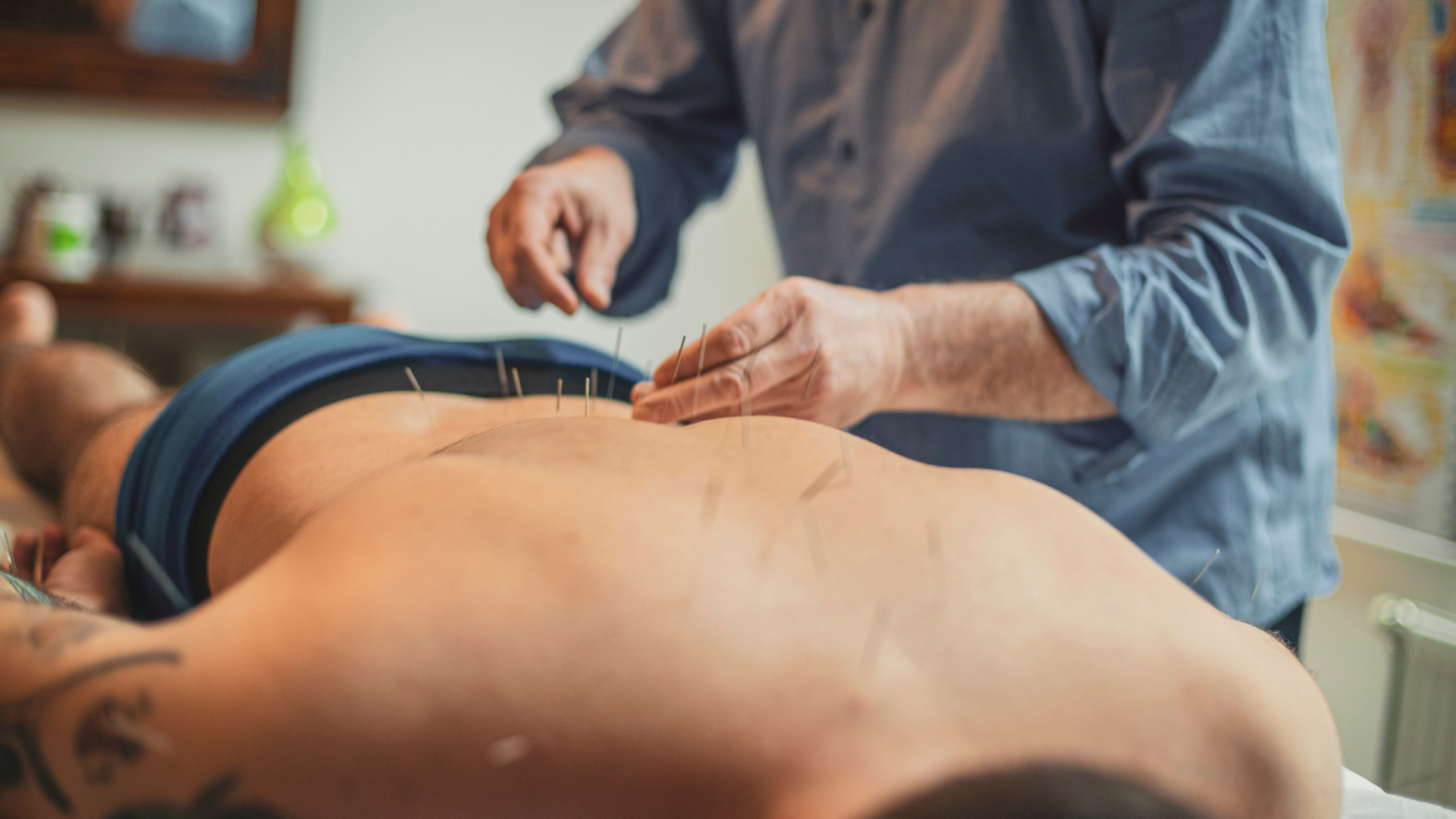
If you’re preparing for IVF or looking to support a healthy pregnancy, personalized acupuncture care can make a difference. Book a consultation with Dr. Cecilia Ho in Pickering at 905-492-8688 to get started.