Modern life moves fast. Between demanding schedules, constant notifications, financial pressure, and daily responsibilities, it’s no surprise that anxiety, chronic stress, and sleep problems have become increasingly common. Many people struggle to quiet their minds at night, waking up tired, tense, and mentally exhausted.
While medication and therapy remain important treatment options for many individuals, more people are also exploring natural approaches to support their mental and physical well-being. One therapy that continues to gain attention is acupuncture.
Used for thousands of years in Traditional Chinese Medicine (TCM), acupuncture is now widely recognized as a complementary treatment for stress management, anxiety relief, and improved sleep quality. But how does it work, and can it really help with insomnia and emotional stress?
Here’s what you need to know.
Understanding Anxiety, Stress, and Insomnia
Stress is the body’s natural response to pressure or perceived danger. In small amounts, stress can be helpful—it keeps us alert and motivated. However, chronic stress keeps the body in a constant “fight or flight” state, increasing cortisol levels and overstimulating the nervous system.
Over time, this can contribute to:
- Anxiety and racing thoughts
- Muscle tension and headaches
- Fatigue and burnout
- Digestive issues
- Mood swings or irritability
- Difficulty falling or staying asleep
Insomnia and poor sleep are particularly common among people dealing with chronic stress or anxiety. When the nervous system remains overstimulated, the body struggles to relax enough for restorative sleep.
This creates a cycle: stress affects sleep, and lack of sleep increases stress and anxiety.
What Is Acupuncture?
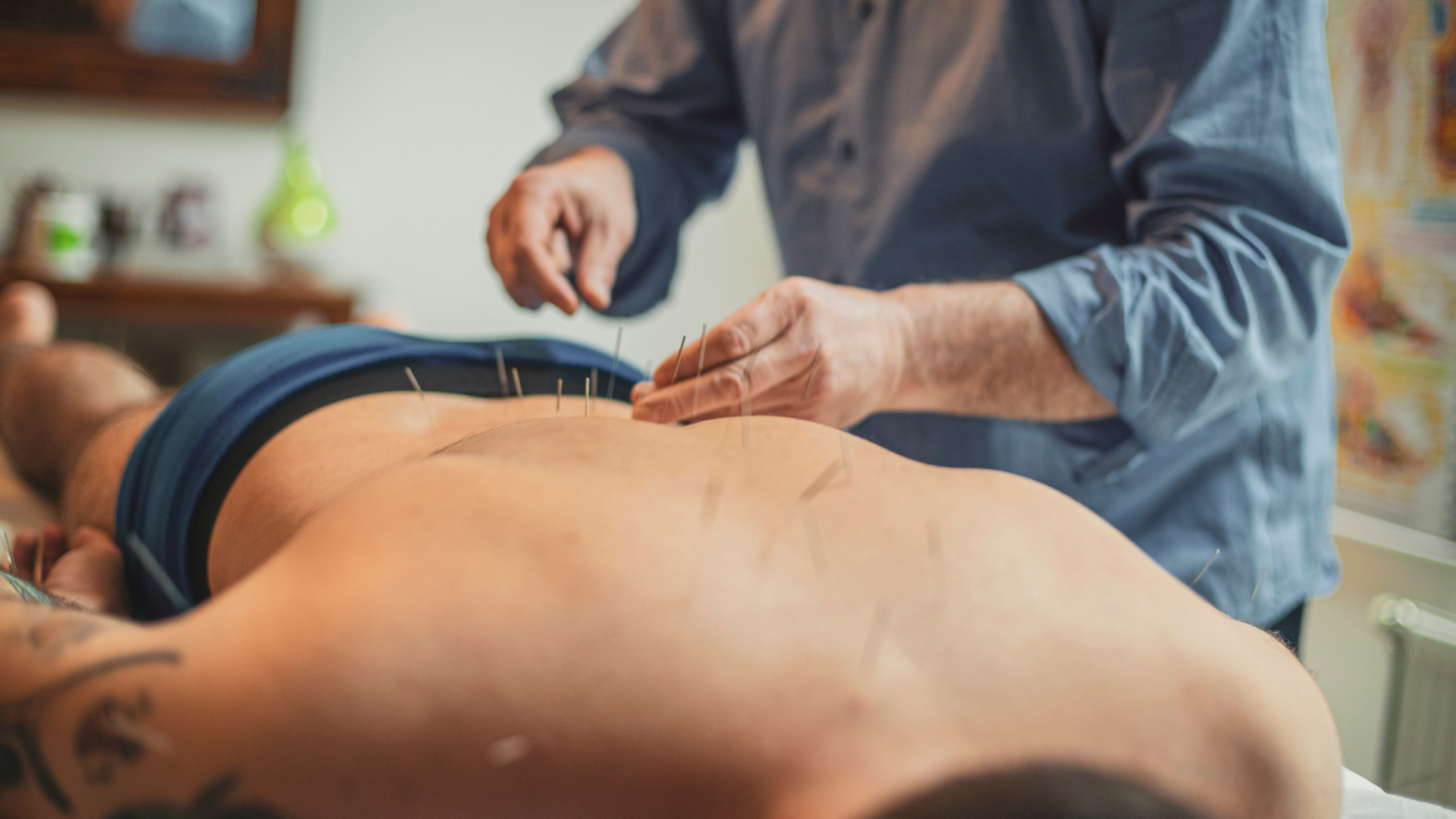
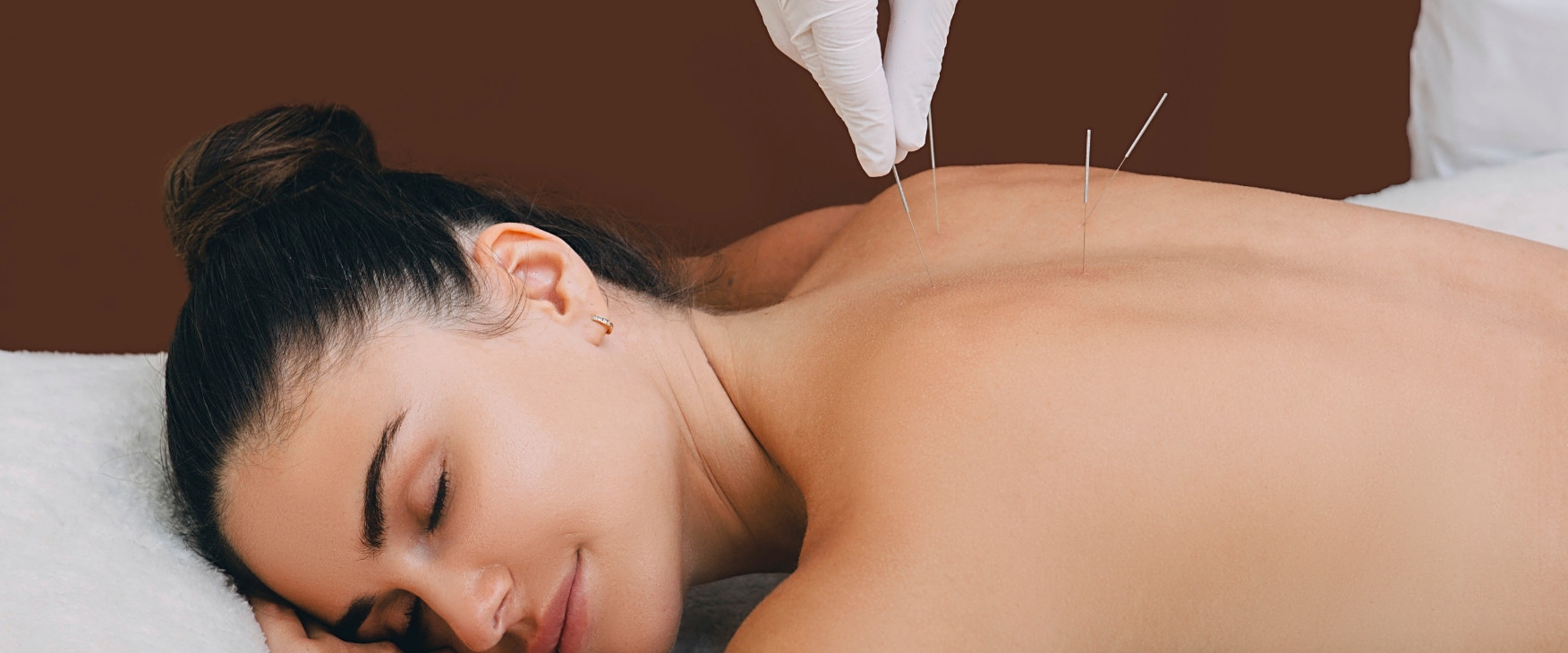
Acupuncture is a therapeutic practice that involves inserting ultra-fine sterile needles into specific points on the body. In Traditional Chinese Medicine, these points are believed to regulate the body’s energy flow, or “Qi” (pronounced “chee”), helping restore balance and improve overall wellness.
From a modern medical perspective, acupuncture is thought to stimulate the nervous system, improve circulation, and trigger the release of chemicals that help regulate pain, mood, and relaxation.
Research suggests acupuncture may influence:
- The autonomic nervous system
- Stress hormone levels such as cortisol
- Endorphin and serotonin release
- Blood circulation
- Muscle tension and inflammation
These effects may explain why many patients report feeling calmer, more relaxed, and mentally clearer after treatment.
How Acupuncture May Help Anxiety
Anxiety affects both the mind and body. Some people experience constant worry and racing thoughts, while others notice physical symptoms such as chest tightness, digestive discomfort, jaw tension, or headaches.
Acupuncture for anxiety focuses on calming the nervous system and helping the body shift from a heightened stress response into a more relaxed state.
Studies have shown that acupuncture may help:
- Reduce stress hormone production
- Promote relaxation
- Improve mood regulation
- Ease physical tension associated with anxiety
Many patients describe feeling deeply relaxed during and after sessions. Some even fall asleep during treatment due to the calming effect acupuncture can have on the body.
Unlike quick-fix approaches, acupuncture often works gradually by supporting the body’s natural ability to regulate stress more effectively over time.
Acupuncture and Stress Management
Stress doesn’t only affect mental health; it impacts nearly every system in the body. Chronic stress can contribute to muscle pain, digestive problems, fatigue, weakened immunity, and hormonal imbalance.
Acupuncture is commonly used as part of a broader stress management plan because it addresses both physical and emotional symptoms simultaneously.
For example, treatment may help:
- Relax tight neck and shoulder muscles
- Improve circulation
- Reduce tension headaches
- Support digestion
- Promote deeper breathing and relaxation
Many people also find that regular acupuncture sessions encourage mindfulness and self-care. Taking dedicated time to slow down, disconnect, and focus on wellness can itself be therapeutic.
When combined with healthy lifestyle habits such as exercise, balanced nutrition, hydration, and stress reduction techniques may become a valuable long-term wellness tool.
Can Acupuncture Improve Sleep and Insomnia?
Sleep problems are one of the most common complaints linked to anxiety and chronic stress. Difficulty falling asleep, waking during the night, or waking up feeling unrested can affect concentration, mood, productivity, and overall health.
Acupuncture for sleep and insomnia aims to calm the nervous system and support healthier sleep patterns naturally.
Research suggests acupuncture may help:
- Improve sleep quality
- Reduce nighttime waking
- Increase relaxation before bedtime
- Support melatonin production
- Decrease anxiety-related insomnia symptoms
One reason acupuncture may support better sleep is its potential effect on the parasympathetic nervous system—the body’s “rest and digest” mode. By helping the body transition away from stress mode, acupuncture may create conditions that are more conducive to restorative sleep.
Many patients notice improvements such as:
- Falling asleep faster
- Sleeping more deeply
- Feeling more rested in the morning
- Reduced nighttime racing thoughts
However, results vary depending on the individual, lifestyle factors, and the underlying cause of insomnia.
What Happens During an Acupuncture Session?
For first-time patients, acupuncture is often much gentler than expected.
A session usually begins with a discussion about symptoms, stress levels, sleep habits, and overall health. The practitioner then selects acupuncture points based on the individual’s needs.
The needles used are extremely thin; far thinner than those used for injections or blood tests. Most people feel little to no discomfort during insertion. Some experience a mild tingling, warmth, or heavy sensation around the treatment area.
Once the needles are in place, patients typically rest for 20–40 minutes in a calm setting. Many people leave sessions feeling relaxed, lighter, or mentally calmer.
The number of treatments needed depends on the severity and duration of symptoms. Acute stress may improve quickly, while chronic anxiety or long-term insomnia often benefits from ongoing care.
Lifestyle Habits That Support Better Results
While acupuncture can be highly beneficial, long-term improvement often comes from combining treatment with healthy daily habits.
Helpful strategies include:
- Maintaining a consistent sleep schedule
- Limiting screen time before bed
- Practicing mindfulness or meditation
- Reducing caffeine intake late in the day
- Exercising regularly
- Staying hydrated
- Creating a relaxing bedtime routine
Stress management works best when approached holistically. Acupuncture can support the process, but lifestyle choices also play a major role in nervous system health and sleep quality.
Is Acupuncture Safe?
When performed by a licensed and trained practitioner, acupuncture is generally considered safe. Side effects are usually minimal and may include mild soreness or temporary bruising at needle sites.
It’s important to seek treatment from a qualified professional who follows proper hygiene and safety standards.
Individuals with certain medical conditions or those who are pregnant should always discuss treatment options with their healthcare provider.
Final Thoughts
Anxiety, chronic stress, and insomnia can affect every aspect of life, from mood and energy levels to physical health and relationships. While there is no one-size-fits-all solution, acupuncture offers a natural and holistic approach that may help calm the nervous system, improve relaxation, and support better sleep.
For many people, acupuncture becomes more than just symptom relief, it becomes part of a broader commitment to wellness, balance, and long-term stress management.
If you’re struggling with anxiety, stress, or sleep challenges, speaking with a licensed professional like Dr. Cecilia Ho can help you explore whether this treatment may be right for you. Call 905-492-8688 to get started.