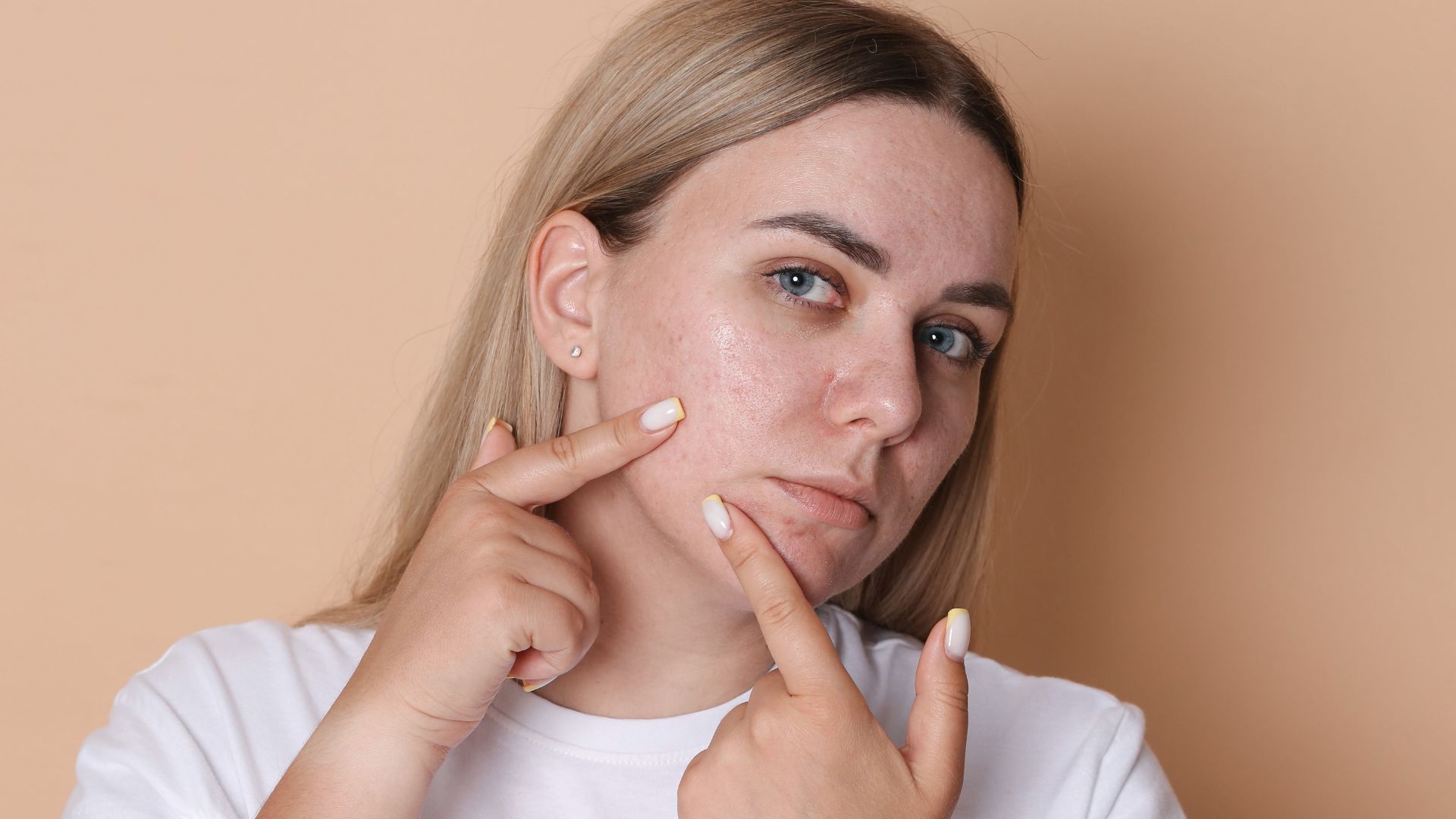
Spring often brings a sense of renewal, but it can also trigger unwanted changes in the skin. Dry air, pollen, temperature shifts, and longer days can aggravate skin conditions or even create new flare-ups. Existing issues like eczema, acne, or rosacea may intensify, while some people experience rashes or breakouts for the first time. Even if your skin has been healthy throughout winter, spring can still reveal underlying sensitivities. Understanding what triggers these reactions can help you manage symptoms and maintain healthy, comfortable skin.
Why Spring Triggers Skin Flare-Ups
Seasonal changes, higher allergen levels, lifestyle adjustments, and hormonal fluctuations all contribute to skin flare-ups in spring. Recognizing these triggers is key to prevention.
Environmental Factors
- Rising Temperature: Increases oil and sweat, which can clog pores and provoke acne.
- Higher Humidity: Traps moisture, potentially worsening eczema or rashes.
- UV Exposure: Leads to irritation, redness, and pigment changes.
- Air Pollution: Increases skin sensitivity and inflammation.
- Wind and Rain: Strip the skin barrier, causing dryness and flaking.
Heat and sweat can exacerbate existing skin problems, while UV exposure increases the risk of sunburn and irritation. Spring winds may dry the skin, stripping away natural oils, and fluctuating humidity can trigger reactive flare-ups. Pollution can add further irritation, leaving skin more prone to redness and itch.
Allergen Overload
Trees, grasses, and flowers release pollen in spring, a major trigger for allergic skin reactions. Mold spores and dust from spring cleaning or open windows can irritate the skin as well. Allergic rashes often appear as red, itchy patches with swelling, differing from isolated acne or dry patches. Monitoring local pollen counts, keeping your home clean, and limiting exposure to triggers can help reduce flare-ups.
Lifestyle Changes
More outdoor activity increases exposure to sweat, pollen, pet dander, and pollution. Shifting schedules, social obligations, or stress can also affect the skin’s resilience. Protective measures, such as loose clothing, hats, and gentle sunscreen, help prevent irritation. Staying hydrated and choosing fragrance-free, mild skincare products can keep skin calm during seasonal transitions.
Hormonal Rhythms
Seasonal hormonal shifts influence oil production, moisture levels, and inflammatory responses. Cortisol and other stress hormones can rise with hectic schedules, potentially worsening acne or eczema. Observing your body’s rhythms and acting early through gentle skincare, hydration, and stress management can help prevent flare-ups before they escalate.
The Connection Between Skin and Internal Inflammation
Spring skin flare-ups are often a visible sign of internal inflammation. Diet, stress, environmental factors, aging, and inactivity can all contribute to low-grade inflammation that manifests in the skin.
- Diet: High sugar, processed foods, or additives can trigger acne, redness, or dullness.
- Stress: Activates the HPA axis, spiking cortisol and causing eczema, acne, or psoriasis flare-ups.
- Environment: UV rays, pollution, and allergens provoke rashes and dryness.
- Aging: Chronic, low-grade inflammation contributes to wrinkles, sagging, or age spots.
- Physical Inactivity: Poor circulation and weak immune response can slow healing and dull skin.
Chronic stress and poor sleep can intensify inflammation. Hormones like cortisol and CRH, produced in both the brain and skin, respond to these stressors, creating visible skin reactions. Aging adds a background level of inflammation, sometimes called inflammaging, which can worsen with stress or environmental triggers.
Beyond Surface Symptoms
Skin flare-ups in spring often indicate deeper internal changes. They may reveal immune responses, allergies, or other health conditions. Eczema may worsen in heat and humidity, while seasonal allergies can trigger hives or irritation. Clothing, hydration, diet, and skincare choices can all influence how severe flare-ups become.
Psychological factors play a role as well. Anxiety or self-consciousness about skin can worsen flare-ups, creating a cycle of stress and irritation. Reducing stress through exercise, sleep, and mindfulness helps both the mind and the skin.
Calming Your Spring Skin
Adjusting your skincare routine and habits can help prevent flare-ups and maintain healthy skin throughout spring.
Skincare Adjustments
- Switch to lightweight, non-comedogenic products to prevent clogged pores.
- Use gentle moisturizers with humectants like glycerin or hyaluronic acid.
- Include antioxidant serums, such as vitamin C, to protect against sun and pollution.
- Soothing ingredients like aloe and chamomile can calm redness and irritation.
- Avoid harsh exfoliants, abrasive scrubs, and strong fragrances.
- Apply broad-spectrum SPF daily, even on cloudy days.
Dietary Support
- Reduce fried, processed, or high-sugar foods to minimize inflammation.
- Limit dairy if it triggers flare-ups.
- Drink at least two liters of water daily to hydrate skin from within.
- Incorporate probiotics, such as yogurt or fermented vegetables, to support gut health and digestion, which in turn benefits the skin.
Natural Remedies
- Turmeric: Anti-inflammatory properties.
- Green Tea: Antioxidants to reduce irritation.
- Oatmeal: Soothes itching when used in baths or masks.
- Ginger: Helps calm redness and swelling.
- Cold Compresses: Relieve discomfort quickly.
Introduce home remedies gradually to monitor individual reactions.
Proactive Spring Strategy
- Track allergies, skin symptoms, and triggers in a journal.
- Adjust skincare, clothing, and outdoor activities based on observations.
- Use air purifiers and keep windows closed on high-pollen days.
- Wash hands and face after spending time outdoors.
- Exfoliate lightly once or twice a week to remove dead winter skin.
- Drink more water and switch to lightweight lotions or makeup.
When To Seek Professional Help
Persistent or severe flare-ups should be evaluated by a dermatologist. Signs to watch for include rashes that last for weeks, recur frequently, interfere with daily life, or do not respond to home care. A doctor can help identify the cause, recommend treatments, and adjust your regimen for conditions like eczema, rosacea, or allergic dermatitis. Prompt attention prevents infections, scarring, and prolonged discomfort.
Conclusion
Spring can bring beautiful weather and longer days, but it can also trigger skin flare-ups. Pollen, heat, and increased sun exposure often aggravate rashes, acne, or eczema, while internal inflammation and stress contribute to the problem. A consistent skincare routine, mindful diet, hydration, gentle movement, and stress management can help keep skin calm and balanced. Pay attention to triggers, adjust your habits proactively, and seek professional help when needed. With thoughtful preparation, you can enjoy the season without letting flare-ups interfere.
Soothe spring skin flare-ups and reduce internal inflammation with Dr. Cecilia Ho’s naturopathic care. Schedule your visit in Pickering at 905-492-8688 to protect your skin from seasonal triggers.